Freemasonry is full of words borrowed from the stonemason's trade, and "Lewis" is one of the most charming. In Masonic usage, a Lewis is the son of a Freemason. But the word started life as the name of a tool, and the way it moved from the quarry to the lodge says a lot about how Masons think about family.
The lewis as a tool
Operative stonemasons needed a way to lift heavy blocks of dressed stone without damaging their faces. The answer was the lewis: a set of metal pieces inserted into a dovetail-shaped hole cut into the top of the stone. Once the pieces are locked together, the lewis grips the stone from inside, and a crane or hoist can raise it and lower it precisely into place.
The device is very old. Versions of it were used by Roman builders, and it remained in use on building sites for centuries. Masons still recognize the lewis when they see it carved on old buildings or worked into Masonic emblems.
From tool to title
Speculative Freemasons turned the tools of the trade into lessons. The lewis supports great weight and allows the builder to set stones that could never be lifted by hand. In the same way, a son is expected to support his parents as they grow older and to bear burdens they no longer can. So the son of a Mason came to be called a Lewis.
The word captures something Masons value: continuity between generations, and the idea that the Craft is often passed from father to son.
Customs attached to being a Lewis
Customs vary between jurisdictions and have changed over time, but a few are widely known:
- Recognition at initiation. Lodges often note when a candidate is a Lewis, and fathers may take part in the evening or present a gift.
- Historic privileges. In the past, some jurisdictions allowed a Lewis to be initiated at a younger age than other candidates or gave him precedence among candidates. Check your own Grand Lodge's rules; most modern constitutions treat all candidates alike.
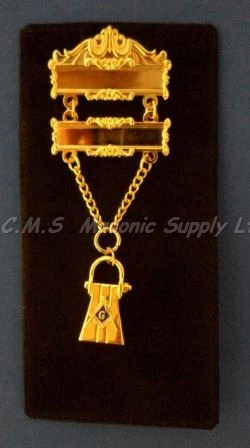
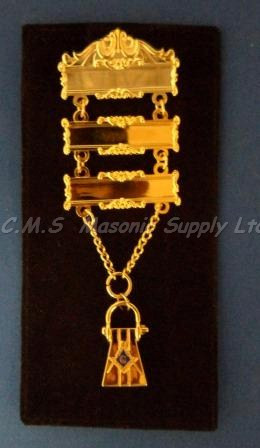
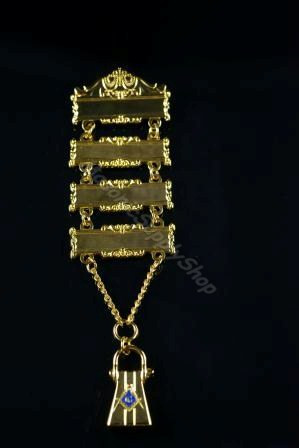
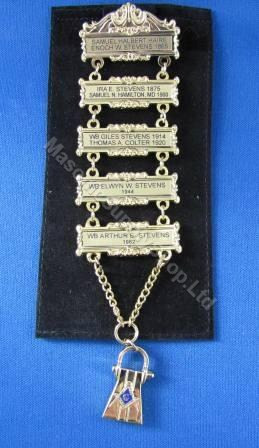
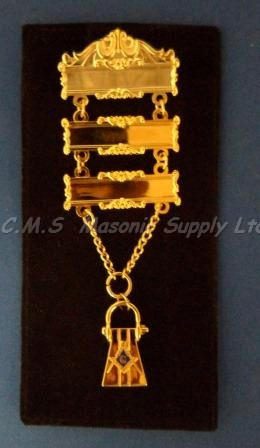
- The Lewis jewel. Many Lewises wear a jewel recording their father's and their own membership.
Is there a term for daughters?
"Lewis" traditionally refers to a son. Some Masons use the word loosely for any child of a Mason, and French-speaking Freemasonry has its own term, louveteau. Women's and co-Masonic orders have their own traditions.
The Lewis jewel
The most visible sign of being a Lewis is the jewel. Learn about its design and who may wear it in our main Lewis jewel guide, see how jewels record several generations in our page on Lewis jewel bars, or browse current Lewis jewels at Masonic Supply Shop.